Managing a workforce that is constantly turning over introduces a silent but significant risk to an organisation’s physical security posture. Through our Smart MasterKey market experience, it has become profoundly clear how acutely managers in these environments grapple with the everyday complexities of modern access control. In the hospitality sector, for instance, annual churn routinely hovers between 38% and 52%, whilst retail faces a population-level termination rate of up to 42%. Even within health and social work, organisations are dealing with total churn rates that can exceed 35%. Over the last decade, these fast-moving industries have seen a massive shift from merely managing physical assets like doors and cameras to managing individual credentials.
The Hidden Vulnerabilities of Rapid Staff Turnover

The primary vulnerability lies within the off-boarding process, which frequently becomes messy when operations move at such a rapid pace. It is alarming to consider that between 30% and 40% of standard facility databases continue to host active credentials belonging to individuals who are no longer employed at a property.
When master keys, shared tablets, and vehicles are not properly accounted for during staff departures, it creates an ongoing liability that threatens both guest safety and brand reputation. Interestingly, when off-boarding fails amidst these high volumes of staff departures, it is rarely due to a lack of technology, but rather a breakdown in internal processes and culture. Busy supervisors often find themselves prioritising immediate shift coverage over administrative security compliance, meaning key logs are left incomplete and physical assets pass unchecked between team members.

How Mobile Credentials Mitigate Risk
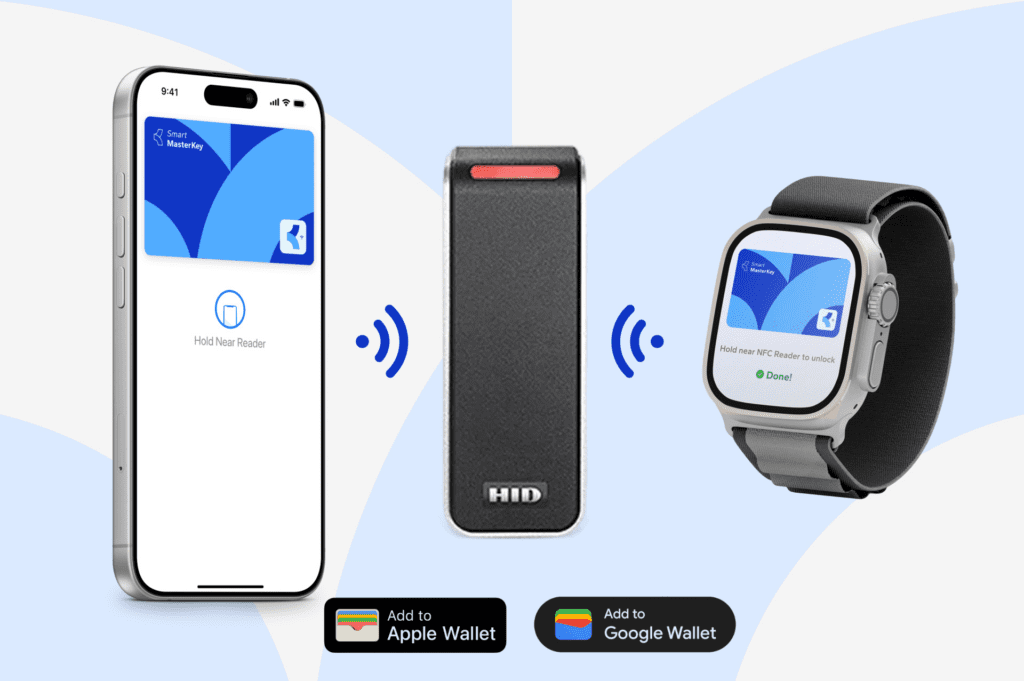
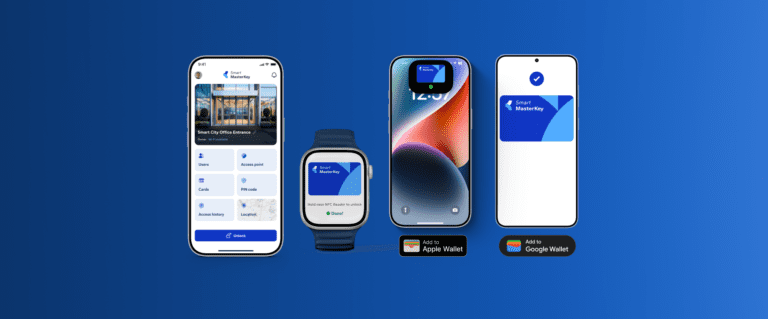
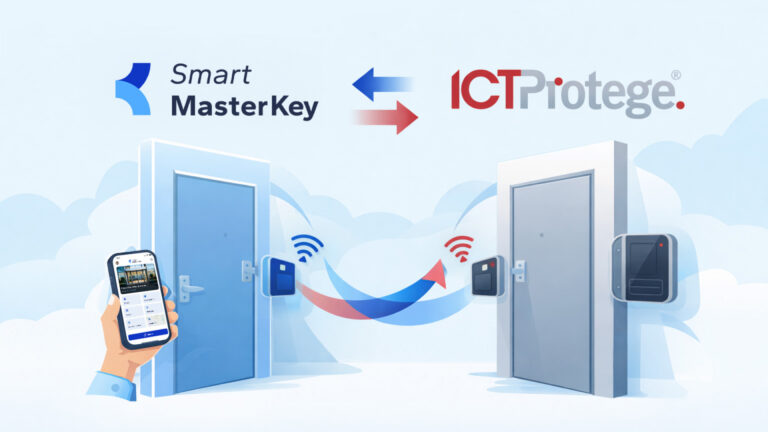
Transitioning to mobile credentials offers a powerful way to mitigate these administrative and security operational gaps. Because digital keys are tied directly to an employee’s smartphone, the risk of a physical master key or swipe card being lost, shared, or quietly pocketed upon departure is completely removed.
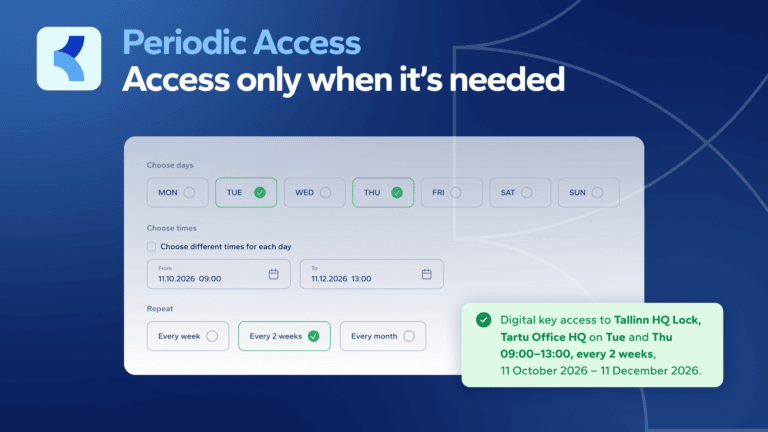
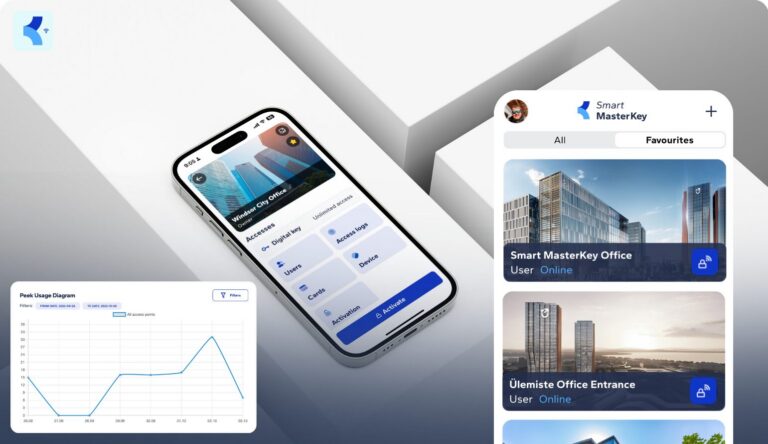
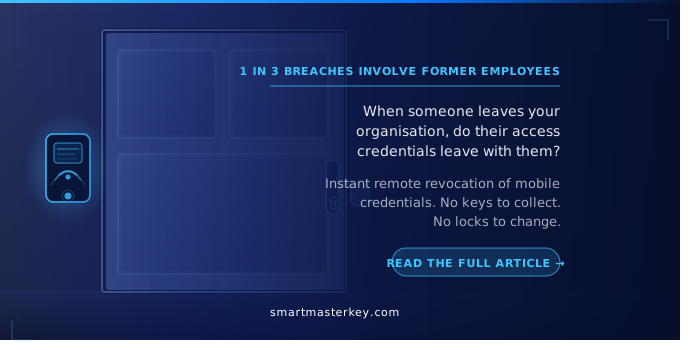
System administrators can instantly revoke or adjust access permissions remotely via a central management portal the moment an employee leaves, entirely bypassing the need to track down physical assets. This significantly eases the administrative burden on HR and security departments. Furthermore, because people are statistically far quicker to notice and report a missing phone than a misplaced access card, the window of vulnerability for an unreported lost credential shrinks dramatically, whilst providing a clean, automated digital trail for security audits.
Driving Visibility
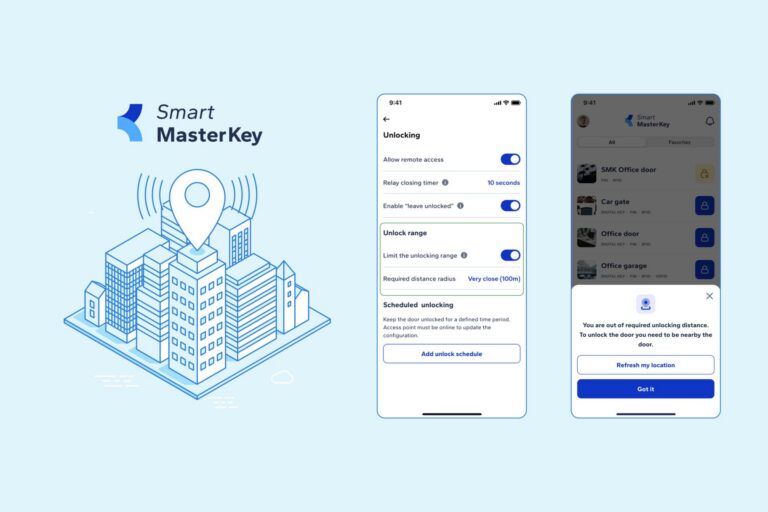
For any security leader looking to regain control over a fragmented, multi-site environment, the focus should be entirely on driving visibility. This means establishing central guidelines from the corporate level while allowing for local execution on the ground. By identifying exactly where master keys and critical devices are, and making credential removal an automatic process rather than an optional checklist item, organisations can dramatically improve their risk posture without disrupting daily operations. Looking ahead, while artificial intelligence and automated analytics will undoubtedly play a massive role in flagging anomalous access patterns, these tools will only be effective if the foundational data inputted by human users is clean and accurate.